
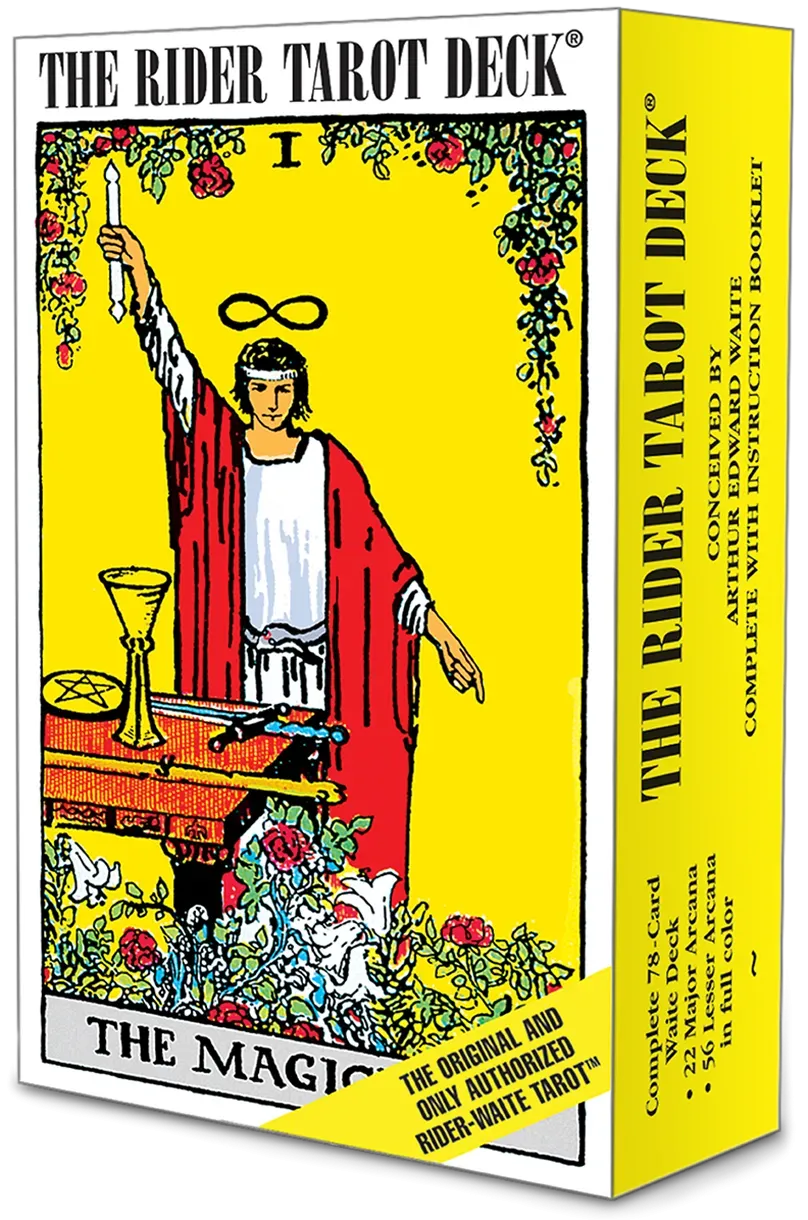
Featured Amazon pick
Start with a familiar tarot language
The Rider Tarot Deck is our starting recommendation for following traditional lessons. Compare the other four options below before choosing.
On Amazon
Five decks, five ways to begin
Choose by how you want to learn: classic pictures, printed prompts, expressive scenes, contemporary symbolism or a compact daily kit. These best-for labels are our editorial assessments, not ratings or a Reddit vote.
Classic starting point
The Rider Tarot Deck
On Amazon
Meanings on the cards
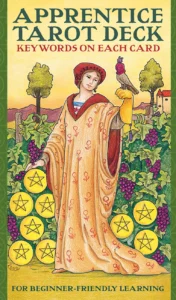
Apprentice Tarot Deck
On Amazon
Expressive modern artwork

Light Seer’s Tarot
On Amazon
Contemporary RWS imagery
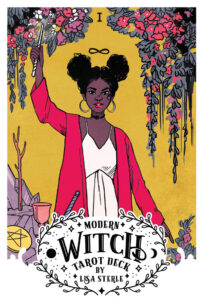
The Modern Witch Tarot Deck
On Amazon
Compact daily practice
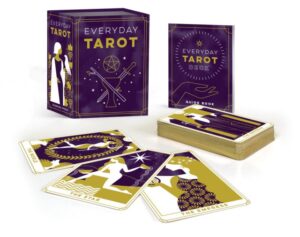
Everyday Tarot Mini Tarot Deck
On Amazon
A closer look at our picks
Classic starting point
The Rider Tarot Deck
Our first choice for learning alongside conventional tarot books and tutorials. Pamela Colman Smith’s familiar scenes make it easier to compare the picture in your hand with the lesson you are following.
Pros
- Traditional Rider-Waite-Smith imagery
- Fully illustrated Minor Arcana
- Instruction booklet included
Cons
- No learning keywords printed on the cards
- Historical artwork may not suit every reader
Read more about this pick
Choose the standard U.S. Games Systems edition, ISBN 9780913866139, rather than a similarly named novelty deck. Its 78 cards measure approximately 2.75 × 4.75 inches.
This is our most straightforward starting point if your course uses Rider-Waite-Smith imagery. If constant reference-book lookups interrupt your practice, Apprentice Tarot offers a different learning approach.
On Amazon
Meanings on the cards
Apprentice Tarot Deck
The most useful option here for readers who want visible learning prompts. Universal Waite imagery sits alongside upright and reversed keywords, so you can study the scene and its suggested meanings together.
Pros
- Upright and reversed keywords on cards
- Universal Waite artwork
- 36-page instruction booklet
Cons
- More text competes with the artwork
- Prompts can encourage memorization over observation
Read more about this pick
Published by U.S. Games Systems, this edition is ISBN 9781646710683. The publisher lists card dimensions of 2.75 × 4.75 inches.
We would choose it for structured study. Try describing the picture before reading the keywords; that gives the prompts a supporting role instead of letting them become the entire interpretation.
On Amazon
Expressive modern artwork
Light Seer’s Tarot
A good fit if contemporary characters help you engage with a reading. Chris-Anne reimagines traditional tarot scenes, and the accompanying guidebook provides context for this deck’s particular visual language.
Pros
- 78-card deck with guidebook
- Expressive contemporary characters
- Rider-Waite-Smith-inspired structure
Cons
- Artwork differs from conventional study examples
- No printed meanings on the card faces
Read more about this pick
We selected the full-size Hay House deck-and-guidebook edition, ISBN 9781401958039. It is a different product from the pocket edition and the separate Tarot for Light Seers book.
Pick it when emotional expression matters more to you than matching every traditional visual detail. Use its own guidebook when a picture differs from an example in a general tarot lesson.
On Amazon
Contemporary RWS imagery
The Modern Witch Tarot Deck
Our pick for readers who want recognizable tarot symbolism in a contemporary setting. Lisa Sterle’s illustrations feature diverse women and modern clothing while retaining a connection to the Rider-Waite tradition.
Pros
- Contemporary interpretation of familiar symbols
- Diverse characters
- Included guidebook
Cons
- Modern changes still require interpretation
- No card-face keyword prompts
Read more about this pick
Look for Lisa Sterle’s deck, published by Sterling Ethos, ISBN 9781454938682. The deck is separate from the Modern Witch journal, coloring book and poster book.
It sits between a conventional study deck and a more freely reimagined one. We would choose it if the historical presentation of Rider-Waite is the main thing putting you off learning.
On Amazon
Compact daily practice
Everyday Tarot Mini Tarot Deck
The portable option in this comparison. Brigit Esselmont and Eleanor Grosch’s compact deck includes an 88-page mini guide and a magnetic-closure box for keeping a daily practice kit together.
Pros
- Compact 2.5 × 3.5-inch cards
- 78 cards and 88-page mini guide
- Magnetic-closure storage box
Cons
- Small illustrations are less suited to close study
- Simplified artwork differs from classic examples
Read more about this pick
The RP Minis kit is ISBN 9780762492794. It includes the deck and mini guide; the separate Everyday Tarot book is another product.
We would choose this for portability rather than detailed symbolism study. Preview the artwork before buying if you want to follow a course built around the traditional Rider-Waite pictures. The publisher links this edition to Amazon.com; live Amazon availability could not be independently confirmed during this check.
On Amazon
How to choose your first tarot deck
Start with the learning experience you want. A deck is useful when its pictures invite you to look closely and its format makes you want to practice.
Choose pictures you can describe
Before buying, look at several card faces, including the Minor Arcana. Can you describe who is there, what is happening and what details catch your attention? A scene gives you something concrete to discuss. If a design removes most of those details, you may spend more time consulting a reference.
The original Rider-Waite-Smith artwork is a practical match for lessons that reproduce those pictures. A contemporary interpretation can also work well. Compare its sample cards with the learning resource you plan to use, and expect some visual differences.
Decide how much help you want on the card
Printed keywords are convenient when you want reminders while studying. Apprentice Tarot is the clearest match for that preference in this selection. The tradeoff is a busier card face and the temptation to stop at the printed phrase.
If you prefer an uncluttered picture, use a deck without on-card meanings and keep the guidebook beside you. Neither approach is a requirement for learning. You can also write your own short notes as you become familiar with a deck.
Think about size and storage
A smaller kit is easier to carry, but a larger picture gives you more room to inspect details. Everyday Tarot Mini suits portability; that does not automatically make it the best choice for studying tiny symbols. Compare the stated card measurements with a deck of cards you already own.
Shuffling comfort depends on your hands and preferred technique. Check the seller’s return terms rather than assuming a particular card size or finish will suit you. A plain notebook and the included box are enough to begin; extra accessories can wait.
Check the edition, publisher and seller
Match the publisher and ISBN in the product notes above. Similar names may refer to a mini edition, a separate book, a journal or an unrelated deck. Confirm that the chosen format includes physical cards and the advertised guidebook.
Counterfeit copies were a repeated concern in the discussions we reviewed. U.S. Games recommends comparing the packaging, card backs and measurements with its official images. Its guidance says its own boxes do not carry QR codes; that detail should not be treated as a rule for every publisher. An Amazon listing alone does not authenticate every third-party seller.
A simple first reading
You do not need a complicated spread to start. Try this short observation exercise:
- Write an open question, such as “What deserves my attention today?”
- Shuffle in a way that feels comfortable and draw one card.
- Before opening the book, write down three details you notice in the picture.
- Read the deck’s explanation and note where it adds context or differs from your first impression.
- Finish with one question or practical action to reflect on later.
Keep the same deck for a while so you can learn its visual language. If you want to explore a guided format as well, see our guide to free tarot readings.
Frequently asked questions
Which tarot deck is best for a complete beginner?
The Rider Tarot Deck is our default pick when you want to follow conventional Rider-Waite-Smith lessons. Choose Apprentice Tarot instead if printed meanings would help you study. The right first deck should also have artwork you want to spend time with.
Do I have to start with the original Rider-Waite deck?
No. A contemporary deck can be a good first choice. Check how closely its images follow the system used by your course or book. Modern Witch and Light Seer’s both draw on that tradition, with different amounts of visual reinterpretation.
Are tarot cards with meanings printed on them better?
They are useful study aids rather than an automatic upgrade. Keywords can make a first reading less intimidating, but they can also narrow your attention. Try describing the picture before consulting the words on the card.
What is the difference between a tarot deck and an oracle deck?
A conventional tarot deck has 78 cards divided into Major and Minor Arcana. Oracle decks use their own structures and instructions. If you are buying a deck for a tarot course, check that it contains the system and cards the course expects.
Can I buy my own first tarot deck?
Yes. There is no purchasing requirement in the learning approach used for this guide that a first deck must be a gift. Choose an edition you can read comfortably, from an identifiable publisher and seller.
Should I buy several decks or extra accessories at the beginning?
One deck, its guidebook and a notebook are enough for the exercise above. Learn what you like about that deck before buying another. We would spend time comparing sample card faces before spending money on a larger collection.